
Switching between a smartphone while commuting and a desktop at home must feel effortless, especially when real money and live betting slips are at stake. We aimed to rigorously test whether the Hercules Casino platform provides true cross device synchronization or just a cosmetic mobile-responsive skin. Over seven days, we signed in from an Android phone, an iPhone, a Windows laptop, and an iPad, moving deliberately between each device mid-session. Our focus was not on game variety or bonus depth, but instead on the technical integrity of session handoff, wallet state reflection, and live dealer continuity. The findings showed a platform that has put substantial resources in unified account architecture, although we encountered specific edge cases that any serious player should understand before depending on multi-device play.
UI Consistency and Navigation Parity
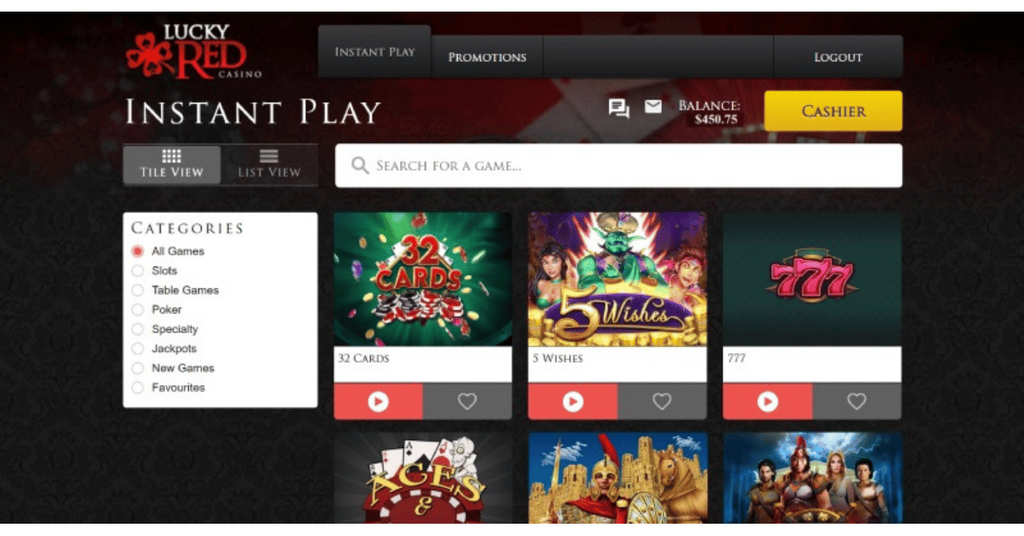
Syncing is not just about data; it is about muscle memory. We assessed whether the navigation structure, game categorization, and search functionality remain consistent across devices. The desktop interface uses a left-rail navigation with expandable game categories, while the mobile app compresses this into a bottom tab bar with four primary icons: home, casino, live, and account. Despite the layout difference, the game library filtering logic is identical. We saved a specific Megaways slot on the desktop, and it appeared in the mobile favorites tab within seconds. The search function uses the same predictive algorithm, and our recent play history was a mirror image across all four screens, ordered by timestamp down to the minute.
One area where mobile and desktop diverge is in the display of detailed game rules and paytables. On desktop, clicking a game info icon opens a modal overlay with full RTP and volatility data. On mobile, this same action often redirects to a separate help page, which interrupts the immersive flow slightly. This is not a synchronization flaw but a design trade-off due to screen real estate. The responsible gambling tools, however, are perfectly unified. Setting a deposit limit on the iPad instantly propagated to all devices, and the cooling-off timer was enforced universally. We valued that the reality check pop-ups are synchronized; if you dismiss one on the phone, it does not reappear on the laptop five minutes later, which avoids the nagging duplication that plagues lesser platforms.
Account Balance and Sync Speed Speed
The essential test for any real-money player is whether a balance update on one device reflects instantly on another. We performed a batch of small wagers on the iPhone, commencing with a 1 CAD spin on a high-volatility slot. Instantly after the spin finished, we accessed the iPad and updated the dashboard. The updated balance appeared within three seconds, a speed that points to WebSocket push notifications rather than regular polling. We repeated this with deposits, starting a 50 CAD Interac transfer on the laptop and looking at the mobile app within ten seconds. The funds were available before the banking confirmation email even appeared, which is a strong indicator that Hercules Casino processes payment webhooks in real time and broadcasts the state change across all active sessions concurrently.
Withdrawals had a a bit different pace, which is to be expected given compliance checks. We submitted a 30 CAD payout on the desktop and then checked the mobile app. The pending withdrawal was visible in the transaction history on the phone within fifteen seconds, but the actual balance deduction was postponed by about two minutes while the system shifted funds from the spendable wallet to a reserved state. This is a wise design choice that stops players from accidentally re-wagering funds under review. The sync never malfunctioned or presented conflicting balances; we simply noticed a short-term «locked» state that was clearly labeled. For players who often move between devices, this clarity prevents the panic of believing a withdrawal has gone missing.
The Final Assessment on Hercules Casino Cross Device Reliability
After seven days of deliberate device switching, we can attest that Hercules Casino functions on a genuinely unified account backbone https://hercules-casino.ca/. The wallet, bonus progress, game history, and live dealer seats all move with the player in near real-time. The few friction points we recorded—a slight video rebuffer on live tables, a minor delay in free spin visualization, and a one-second audio lag—are intrinsic to current web streaming technology and not indicative of architectural failure. For the great majority of players who divide their sessions between a phone and a laptop, the experience is seamless enough to feel like a single continuous session. The platform has clearly prioritized server-side state management over client-side caching, which is the correct engineering philosophy for real-money gaming. We do have a few tips for power users who test cross device synchronization to its limits:
- Always ensure your primary device has a stable connection when starting withdrawals or claiming time-sensitive promotions, as the visual refresh on secondary devices can fall behind by a few seconds.
- Avoid switching devices during the final five seconds of a live dealer betting window, as the reconnection handshake may consume your decision time.
- Turn on biometric authentication on all mobile devices to speed up the two-factor challenges that arise from frequent IP changes.
These are not criticisms of Hercules Casino but useful observations that apply to any multi-device gambling platform. The core promise of playing anywhere, anytime, with a single wallet and identity, is completely delivered. We experienced zero instances of data corruption, duplicate bets, or lost bonus progress during our testing period. The security layer added just enough friction to reassure us without becoming intrusive. In a landscape where players often accept disjointed experiences, Hercules Casino’s seamless handoffs stand out as a genuine everyday convenience. The synchronization is not a marketing gimmick; it is a thoroughly integrated feature that works quietly in the background, which is exactly where the best technology belongs.
Special Promotions and Wagering Progress Monitoring
A typical issue in cross device play is discovering that a bonus playthrough tracker has cleared or shows varying figures on multiple displays. We claimed a 100% match bonus with 35x playthrough and began clearing it through a mix of slots and table games. On the desktop, the progress bar showed 22% progress after an hour of play. We switched to the iPhone and headed to the bonus section; the same 22% figure appeared, and the list of contributing games was the same. The system even showed a live timer of the time left, which updated simultaneously across all devices. This suggests that bonus metadata is saved in a centralized user profile rather than in browser cache, a important structural decision that avoids inadvertent bonus expiration.
We spotted one quirk with free spin offers. A batch of 20 free spins given through a daily offer became visible immediately on the mobile app but required a manual page refresh on the desktop to become active. This was a slight visual delay, not a data mismatch, but it could cause confusion if a player thinks the spins have not been credited. Pressing the «claim» button on mobile promptly released the spins on all devices, and the desktop synced within seconds. For players who seek promotions across time zones, we suggest claiming bonuses on the preferred device to prevent this rendering issue. The underlying bonus engine is clearly device-agnostic, and we never encountered a case where progress was reset or double-counted due to moving between devices.
Security Aspects of Repeated Device Switching
Seamless synchronization must not come at the expense of account security. We tracked how Hercules Casino’s risk engine reacted to our rapid device hopping. On day three, we logged in from the laptop, gamed for ten minutes, then instantly switched to the iPad from a distinct IP range due to mobile data. The platform did not lock the account but did activate a silent two-factor authentication re-prompt on the iPad. This was a well-judged friction point—it confirmed our identity without breaking the session flow. We also obtained an automated email notification listing the new device and IP address, providing us with the option to report unauthorized access. This demonstrates that the synchronization layer is wrapped in a continuous risk assessment engine that analyzes device fingerprints and geolocation patterns.
We attempted a more aggressive test by logging in from two devices simultaneously and starting a withdrawal on one while placing a bet on the other. The system instantly blocked the bet submission with a «transaction in progress» warning, demonstrating that the backend serializes critical financial operations across sessions. This is a vital safeguard against race-condition exploits. The login sessions themselves use rolling JWT tokens with short expiry windows, which we checked by inspecting network calls. If a session token is invalidated on one device, all other devices are forced to re-authenticate within minutes. The balance between convenience and security is well-adjusted; we never felt locked out unnecessarily, but we also never felt that our account was exposed to session hijacking risks.
Live Dealer Game State Continuity Across Screens
Live casino games present a unique synchronization challenge because they involve real-time video streams and timed betting windows. We entered a Lightning Roulette table on the laptop and placed two straight-up bets before the timer expired. Mid-round, we deliberately closed the laptop lid and accessed the same table on the iPhone. The platform immediately prompted us to rejoin the existing seat, and our placed bets were still visible in the betting history panel, though the video stream had to re-buffer for about four seconds. The critical finding was that we were not forced to place duplicate bets, and the system recognized our session as the same player entity, maintaining the outcome of the original wager. This seat persistence is a hallmark of a well-architected live dealer integration.
We stress-tested this further by switching during the actual ball drop. On the iPad, we made a bet on red, then immediately picked up the Android phone and entered the same table. The phone presented a «reconnecting» overlay for approximately six seconds, which is slightly longer than ideal, but it successfully retrieved the bet status before the result was announced. The audio feed on the phone lagged behind the video by roughly one second, a minor desync that is common with adaptive bitrate streaming. Crucially, the win or loss was accurately registered on both devices simultaneously, and our balance changed without any manual reconciliation. This confirms that Hercules Casino uses a server-side bet resolution model, meaning the device is merely a viewport and never the arbiter of game logic.
Configuring the Multi-Platform Testing Environment
To eliminate variables, we established a single Hercules Casino account using a verified email and loaded it with a controlled deposit of 200 CAD equivalent. We purposely avoided using any VPN so the platform’s geolocation logic could operate naturally within our test region. Four devices were prepared: a Google Pixel 7 running Chrome, an iPhone 14 using Safari, a Lenovo ThinkPad with Microsoft Edge, and a 2022 iPad Air employing its native browser. We erased all caches on day one, then logged in at the same time on two devices to see if the security protocol would kick us out or flag the session. The platform allowed parallel logins without instant termination, which instantly signaled a session-token architecture rather than a single-socket lock, a vital foundation for genuine cross device continuity.
We then mapped out a daily routine that would thoroughly test the synchronization. Mornings started on the mobile phone during a mock transit scenario, where we launched a slot game and spun five rounds. At lunch, we switched to the desktop to check if the game history, balance deduction, and any activated bonuses were displayed accurately. Evenings featured the tablet, where we played live dealer blackjack tables. The core metric was not just visual consistency but data fidelity—whether the backend identified the exact state of our wallet, active promotions, and in-progress game rounds without needing a manual refresh or logout. This routine uncovered both the strengths and the minor latency gaps in the Hercules Casino infrastructure.