
We review a lot of online casinos, but something people rarely talk about is how easy they are to actually look at https://leonkazino.org/en-gb/. How a site manages empty space, margins, and layout influences whether your eyes get tired after ten minutes or an hour. I closely examined Leon Casino, checking how its spacing and margins affect readability and navigation. Forget games and bonuses for a moment. This is about the invisible design that ensures your session smooth or a pain.
Why Spacing and Margins Count for Online Gaming
White space in web design is just the buffer between elements: text, buttons, images. Effective margins and padding reduce the visual noise so your eyes can focus. On a casino site, where you need clear info and take quick choices, bad spacing leads to wrong clicks and pure annoyance. The best design feels invisible, leading you from the lobby to a slot without you even being aware.
For players in the UK, who often move between a desktop computer and a phone, spacing that adjusts is crucial. A layout that’s all compressed on a mobile screen will fatigue your eyes fast. I wanted to see if Leon Casino’s design considers this basic comfort as a priority, building an interface that allows you play longer instead of working against you with a messy visual layout.
Initial Thoughts: Site Design and Spacing
Your initial look of the Leon Casino homepage seems crammed but structured. The dark color scheme is common for casinos, which makes getting the spacing right even more vital to prevent everything looking murky. The top navigation bar is evenly spaced, with clear gaps between the logo, menu links, and the login button. Promotional banners are prominent and eye-catching, but they do not seem piled on top of each other.
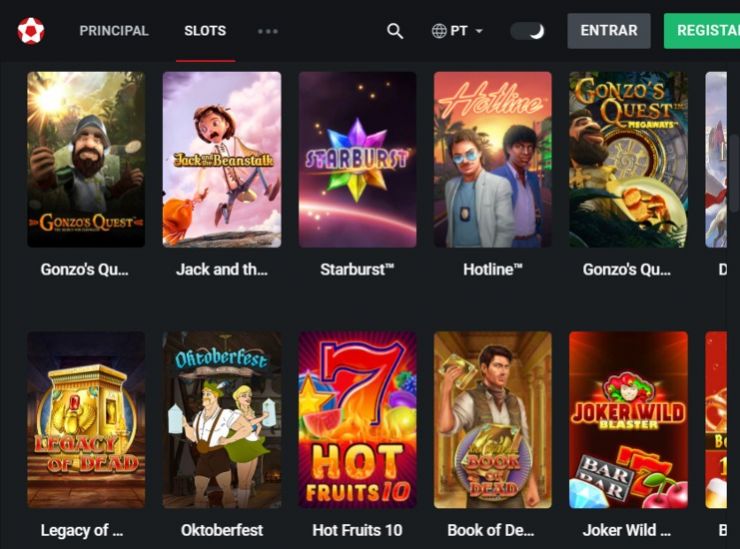
As you move down, the sections for game categories and featured titles use a grid layout with ample spacing. Each game icon has ample area around it, eliminating a chaotic, tiled wall effect. The text in these sections sometimes uses line spacing that feels a bit cramped for longer blurbs. But all in all, the homepage controls its many parts by providing each block distinct boundaries through clever application of whitespace.
Navigating the Game Lobby: Clear Design or Chaos?
The game lobby is where any casino’s design gets a real workout. Leon Casino has a huge library, and its organization relies heavily on spacing. The filter options on the left appear in a list with comfortable padding, making them easy to press on a touchscreen. The main game grid uses a uniform box size for every thumbnail, with clean margins between rows and columns.
It’s good that game titles are displayed fully and that labels like «New» or the provider logo have their own dedicated spot without crowding the main image. The density is high—you see a lot of games at a glance—but the even spacing stops it from becoming a chaotic mess. It finds a middle ground between showing maximum choice and keeping things easy to scan, which regular players will find efficient.
Desktop vs. Mobile: A Responsive Spacing Analysis
This is where Leon Casino does a good job. On mobile, the layout changes from a multiple-column desktop view to a one column, which naturally boosts vertical spacing. Touch targets, like the menu button and all action buttons, consistently match or surpass the recommended 44×44 pixel base for easy tapping. Margins at the boundaries of the screen establish a safe zone, keeping content from hitting the very edge.
On desktop, the extra horizontal room permits for sidebars or multiple-column grids, but the core spacing concepts remain the same. Font sizes and button proportions grow properly. This consistency ensures your visual expectations and muscle memory remain intact if you move from phone to PC in one sitting, an action many players do.
Adjustable Margins in Action
We noticed some particular adaptive tricks. On desktop, game thumbnails may have a 20-pixel margin, which decreases to 10 pixels on mobile to optimize of the more narrow screen while nevertheless keeping things separate. Text blocks use relative units like ‘em’ for their margins, so the spacing expands in proportion with the font size. This keeps the reading relationships intact even if you zoom in.
Our Methodology Visual Comfort
We employed a few of various methods for this review. We commenced with a visual audit across multiple devices: a standard desktop monitor, a laptop, and a modern smartphone. We examined key pages like the homepage, the game lobby, the cashier, and a live game screen. The aim was to verify for consistency and comfort throughout the entire site journey.
We inspected specific things: the line height for paragraphs, the clickable area around buttons, and the gaps between game icons. We also noted how empty space was used to make promotions or important buttons stand out. Our review leaned on established web accessibility rules (WCAG) for target sizes and spacing, which gave us an objective yardstick for our own comfort assessment.
The Tools We Used
Alongside our own observations, we leveraged browser developer tools to inspect padding and margins directly. This revealed us the exact pixel values and how the CSS constructed the page. We also performed simple practical tests, like finding a specific game and making a deposit, timing the process and noting any moments where tight spacing caused a fumble.
Banking and User Areas: Precision and Clarity
Money issues need total clearness. Leon Casino’s cashier area employs a form-based structure. All input field, for deposit value or bonus voucher, has distinct vertical separation (a margin-bottom) separating it from the subsequent one. This lowers the risk of typing data into the wrong box. Pictograms for payment options are distributed evenly in a grid, not crammed together.
Pages displaying your transaction record display data in rows. It’s compact, but each entry is distinct thanks to delicate divider lines and changing background tones, which assists when you’re scanning line by line. The text dimension in tables is regular, though a bit more line-height for the transaction details would render reviewing a long list simpler on the eyes.
Within a Game: Critical Spacing in Action
Once a game loads, the interface is everything. We tested a few well-known slots. The game screen itself dominates the view, which is appropriate. Buttons for bet size, spin, and autoplay are grouped logically along the bottom. The spacing here is adequate, with buttons large enough to hit accurately on a mobile screen.
Our important finding was about the game menu and info panels. When you access the paytable or settings, the pop-up windows have proper internal padding, making the rules simple to read. The close button is always in the top corner with enough empty area around it to avoid accidental taps. This level of detail in the most interactive part of the site shows a design that prioritises the user.
Potential Areas for Minor Improvement
No design is flawless. We identified a few spots where spacing could be improved. On some promotional pop-ups, the disclaimer text employs a tiny font with cramped line spacing, rendering it hard to read. Additionally, in dense text sections like bonus terms and conditions, paragraphs could use a bigger margin-bottom to separate different clauses more clearly.
Another minor observation concerns the hover states. When using a desktop, when you mouse over a game or button, the visual effect (e.g., a glow or colour shift) sometimes bleeds into the margin. This is no bug, but refining these interactive states could make the navigation feel slightly sharper and more refined.
Comparison Industry Standards
So where does Leon Casino position itself against general design standards? Relative to many modern web applications, its spacing is utilitarian rather than extravagant. It doesn’t go for the extremely open, «airy» look of some software platforms, which suits a content-heavy entertainment site. But it does a much better job than many older casino sites, which often have tight layouts and tiny click zones.
Stacked against its direct rivals in the UK market, Leon Casino is in the better half. Its spacing is more consistent and deliberate than on many competitor sites that jam promotions and games together too tightly. The approach is practical: use enough whitespace to define sections and guarantee usability, but not so much that you’re forced to scroll endlessly, particularly on a phone.
Frequently Asked Questions
Why does spacing matter on a casino website?
Good spacing lowers mental effort and eye strain, so you can concentrate on playing. It avoids misclicks on buttons or links, which is important when dealing with your money. Clear margins create a visual structure that helps you find games, information, and features quicker. This leads to a more satisfying session with fewer irritations.
Is the layout of Leon Casino suitable for extended play?
From our perspective, yes. The uniform use of margins and padding on different devices establishes a steady visual atmosphere. The game grid is comprehensive yet organized, and key sections like the cashier employ clear form spacing. This considered layout cuts down on the visual fatigue you get from cluttered, poorly spaced interfaces during a long play.
What is the difference in spacing between mobile and desktop?
The mobile version adapts nicely. It utilizes a one-column layout with touch areas that are sufficiently large to press comfortably. Although side margins are reduced, the vertical spacing between elements is maintained or even expanded to facilitate scrolling. The adaptive design maintains the core spacing principles, ensuring a uniform comfort level.
Can inadequate website spacing cause errors?
Undoubtedly. Crowded layouts, especially on touch devices, constantly result in accidental touches. You may tap «Max Bet» when intending «Spin,» or pick the wrong payment choice. When form fields are overly close, you might input information in the wrong spot. Leon Casino’s proper spacing minimizes these hazards by offering clear visual separation for every clickable element.