
The Influence of Color Schemes
The choice of color in casino design is not merely aesthetic; it plays a crucial role in influencing player behavior. Warm colors like red and gold are frequently utilized because they evoke feelings of excitement and urgency. Warm hues are known to stimulate appetite and encourage risk-taking behavior. For instance, the strategic placement of red in slot machine areas can heighten the thrill of gaming, drawing players towards them with an invisible allure that keeps them engaged for hours, while those who enjoy online gaming can easily download mega888 to experience thrilling games right at home. The psychological impact of these colors is profound, as they create an environment filled with energy and anticipation that is hard to resist.
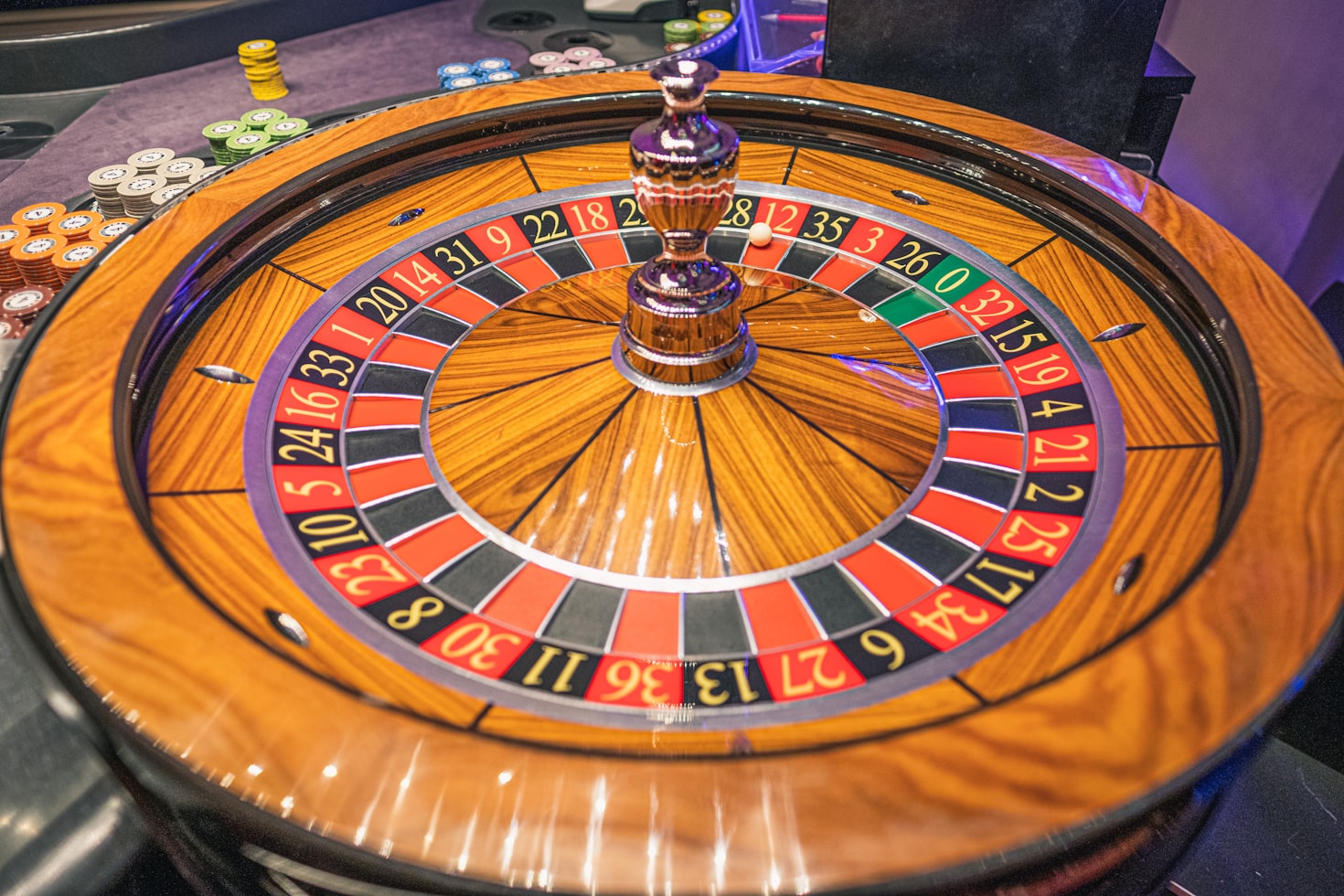
Conversely, cooler colors such as blue and green are often employed in lounge areas or bars within casinos. These colors create a calming atmosphere, offering patrons a space to relax and recharge. The psychological contrast between these areas serves to manage the emotional state of visitors, ensuring that the excitement level is maintained without overwhelming the senses. This balance allows for longer stays in the casino, ultimately translating into greater financial engagement. The thoughtful integration of these color schemes suggests a deep understanding of how visual stimuli can influence decision-making and emotional responses.
Ultimately, color choices in casinos are systematically curated to elicit specific emotions and reactions from players. Understanding the psychological impact of color can give deeper insight into how casinos design their environments to maximize player engagement and, consequently, profitability. With every hue and shade carefully selected, the design aims to foster an environment that feels welcoming yet thrilling, making it challenging for visitors to leave. This intricate balance between excitement and comfort is pivotal in creating a space that players are drawn back to time and again.
Layout and Flow of Space
The overall layout of a casino is intricately designed to guide players through the space in a manner that encourages exploration and discovery. This can include the strategic placement of game tables, machines, and pathways that make it easy for players to navigate. Casinos often create a labyrinthine effect, where guests feel as if they are constantly encountering new gaming options, enticing them to stay longer and engage more deeply with the offerings available. The deliberate flow of space is essential in maintaining a dynamic environment that captivates visitors.
The flow of space is also impacted by the placement of high-stakes areas compared to low-stakes zones. By separating these two types of gaming areas, casinos can cater to a wider demographic. High-stakes players enjoy an atmosphere that exudes exclusivity and luxury, while low-stakes areas are more approachable and inviting. This juxtaposition encourages different types of players to interact with the casino in ways that suit their gaming preferences, enhancing their overall experience. Such strategic zoning not only maximizes engagement but also fosters a sense of community among players at different levels.
Furthermore, pathways are often lined with enticing lighting and appealing visuals that create anticipation and excitement. This design principle taps into the psychology of curiosity, compelling guests to explore every nook and cranny of the casino. The intentional design choices help maintain a continuous flow of players, which is essential for maximizing engagement and revenue. Through skilled architecture and design, casinos can create a dynamic environment that keeps players coming back for more. This thoughtful layout not only enhances the overall experience but also supports the casino’s bottom line by encouraging longer visits.
Psychological Triggers in Game Design
The games themselves are also meticulously designed with psychology in mind. Game mechanics are not just about chance but also how they stimulate player interest and retention. Elements such as the near-miss effect, where players come close to winning but ultimately do not, can keep them engaged longer, as the anticipation of a future win becomes a powerful motivator. This psychological trigger creates a sense of hope and keeps players returning, as they believe that success is just around the corner.
The sounds associated with gaming machines play a significant role in player interaction. The sounds of coins dropping, bells ringing, and celebratory music when a player wins enhance the gaming experience, creating a positive feedback loop that keeps players coming back. These auditory clues are designed to elicit emotions of joy and excitement, reinforcing the notion that winning is feasible and creating a compulsion to play more. The careful orchestration of sounds transforms the gaming experience into a sensory adventure that captivates players.
Furthermore, the use of reward systems, such as loyalty programs and bonuses, taps into the psychological principle of reinforcement. Players feel a sense of achievement when they receive rewards, compelling them to continue playing to earn more. This cycle of reward and engagement is a fundamental aspect of gambling psychology, and casinos have mastered this approach to optimize player retention and increase their spending. By understanding and manipulating these psychological triggers, casinos effectively enhance the overall gaming experience, ensuring that players remain engaged for extended periods.
The Role of Ambience and Experience
The ambience within a casino is designed to create a specific atmosphere that promotes a sense of adventure and allure. Architectural elements, such as high ceilings, luxurious furnishings, and elaborate decor, enhance the visual appeal and elevate the overall experience. This opulence is meant to create a feeling of escape for players, transporting them away from their everyday lives and immersing them in a world where anything is possible. Such environments are crafted to stimulate excitement and a sense of wonder, contributing to an unforgettable experience.
Lighting plays a critical role in shaping the casino environment. The use of dimmed lights paired with bright, focused lighting on game areas helps to create an intimate and exciting atmosphere. This contrast not only draws attention to the games but also instills a sense of mystery that encourages exploration. Players will often find themselves captivated by the dramatic play between light and shadow, making even routine visits feel exhilarating. This intentional manipulation of light creates an enchanting environment that enhances the overall excitement of the gaming experience.
Sensory experiences, beyond just visual and auditory, also contribute to the psychological impact of a casino’s design. The scent of freshly prepared food, the tactile experience of luxurious materials, and even the temperature regulation are all carefully thought out. These elements come together to create a holistic environment that caters to all senses, reinforcing the immersive nature of the casino experience and encouraging deeper engagement and longer stays. By engaging multiple senses, casinos create a memorable atmosphere that players are reluctant to leave.
Understanding Casino Branding and Its Impact
The branding of a casino is crafted to create a particular identity that resonates with its target audience. This branding extends beyond logos and slogans; it encompasses the entire experience and environment that a player encounters. By establishing a clear and compelling brand, casinos can align their design elements to evoke specific feelings and associations that draw players in. This comprehensive branding strategy ensures that every aspect of the casino communicates its unique identity and values.
Branding also influences how people perceive the value of playing at a specific casino. A well-established brand may create an impression of trustworthiness and quality, which can attract a loyal customer base. The design elements, such as architecture, interior themes, and staff uniforms, play a significant role in reinforcing this brand identity, making every touchpoint consistent with the casino’s overall message and values. This consistency fosters a sense of reliability that encourages players to return, reinforcing their connection to the brand.
Additionally, casinos often employ storytelling as part of their branding strategy. By weaving narratives into their decor and experiences, casinos can create a unique sense of place that captivates guests. These stories can range from historical themes to ambitious fantasies, providing guests not only a venue for gaming but a multifaceted experience that they are unlikely to forget. This cohesive branding approach can significantly impact player retention and loyalty, as guests are drawn to the overall experience offered by the casino. The narrative elements create an emotional connection that enhances the player experience and solidifies their loyalty.
